- Introduction
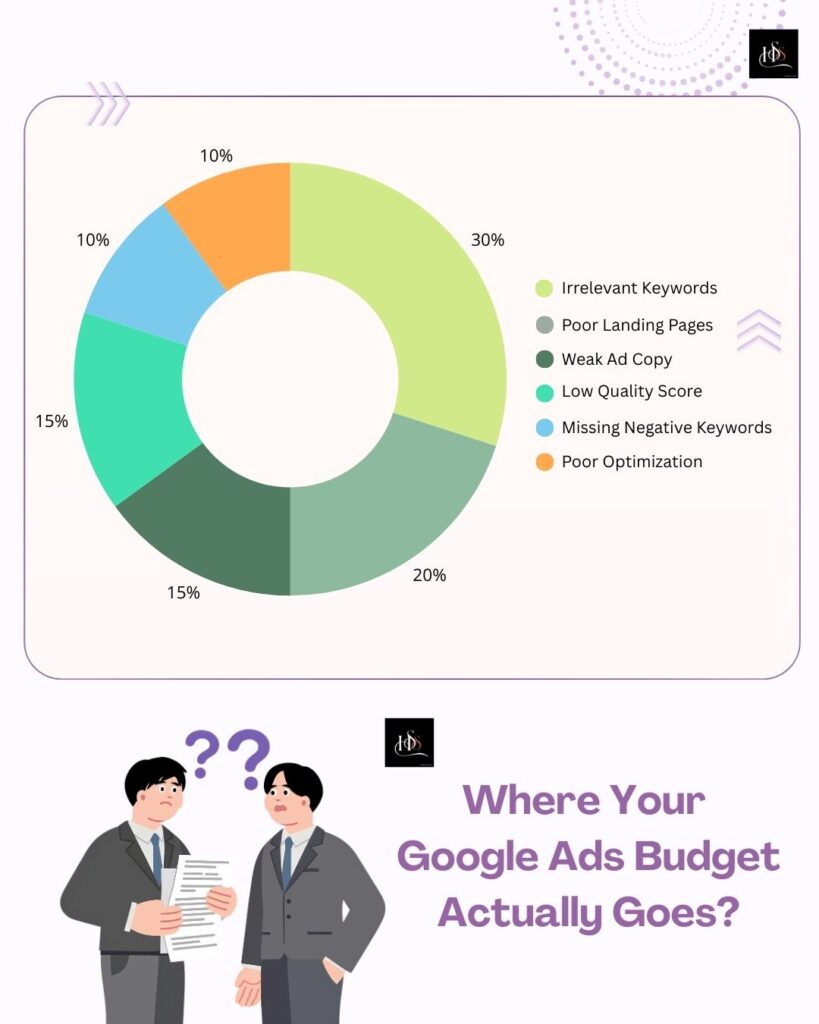
- 7 Google Ads Mistakes That Waste Budget
- 1. Using Broad Match Keywords Without Control 🔍
- 2. Ignoring Negative Keywords ⚠️
- 3. Poor Quality Score ⭐
- 4. Sending Traffic to a Poor Landing Page 🌐
- 5. Not Tracking Conversions Properly 📉
- 6. Weak Ad Copy that doesn’t attract the right audience 📣
- 7. Ignoring Data and Campaign Optimization ⚙️
- Google Ads Performance Benchmarks (2026)
- Conclusion
- FAQs
Introduction
📌 Quick Answer

Google Ads campaigns often fail due to common optimization mistakes such as broad keywords, missing negative keywords, poor landing pages, and weak ad copy. Fixing these mistakes can significantly reduce wasted advertising budget.
7 Google Ads Mistakes That Waste Budget
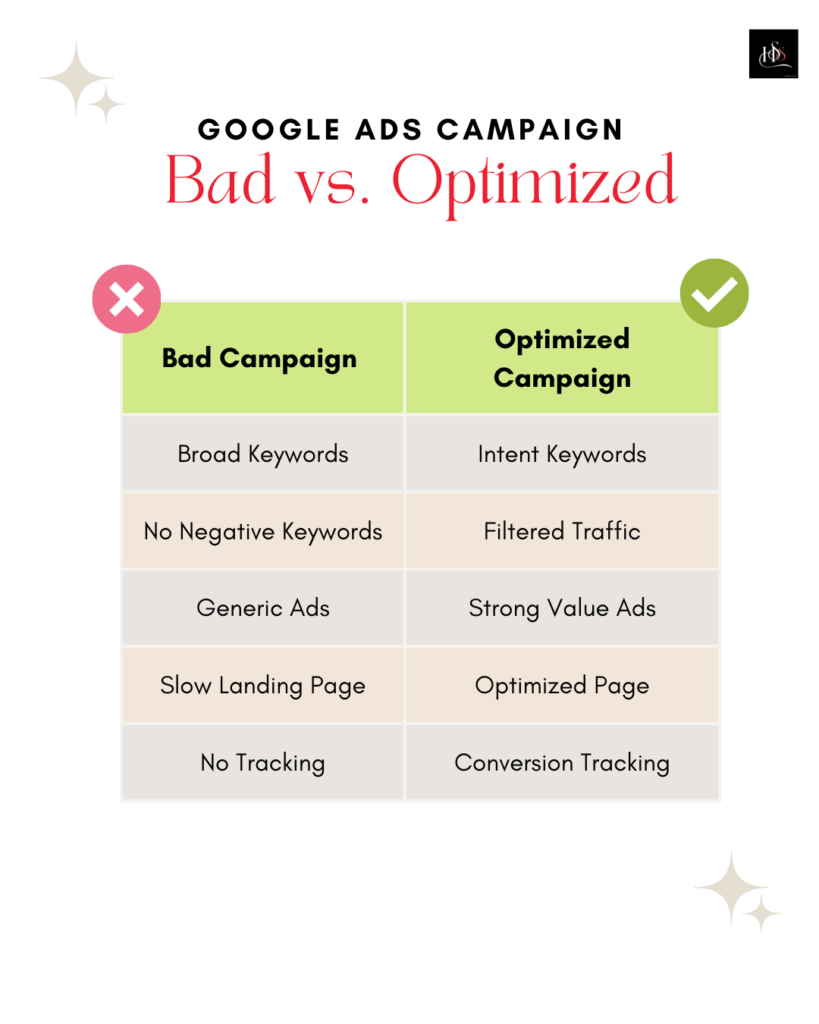
- Broad Keywords
- No Negative Keywords
- Low Quality Score
- Poor Landing Page
- No Conversion Tracking
- Weak Ad Copy
- No Optimization
Running ads on Google Ads can be one of the fastest ways to generate traffic and leads. However, many businesses end up spending thousands of dollars without seeing meaningful results.
The problem usually isn’t the platform, it’s the strategy. Small mistakes in targeting, keywords, or campaign setup can silently drain your advertising budget.
According to recent benchmarks, the average Google Search ad CTR is around 2.8%–3.5%, with conversion rates between 4.2%–5.8%. When campaigns are poorly optimized, performance drops far below these benchmarks and costs rise significantly.
In this guide, we’ll explore the 7 most common Google Ads mistakes that waste budget, along with real data examples and practical fixes.
1. Using Broad Match Keywords Without Control 🔍
One of the biggest reasons businesses waste money on Google Ads is using broad match keywords without proper filtering.
Broad match allows Google to show your ad for related searches. While this increases reach, it often attracts irrelevant clicks that never convert.
For example:
Keyword:
“digital marketing services”
Your ad might appear for searches like:
These users are not buyers, yet you still pay for their clicks. Studies show that using proper match types and negative keywords can reduce wasted spend by 20–40% in many campaigns.
How to Fix It ✅
Instead of relying heavily on broad match:
- Use Phrase Match for better control
- Use Exact Match for high-intent keywords
- Add Negative Keywords regularly
- Check the Search Terms Report weekly
This ensures your ads appear only for relevant, purchase-intent queries.
2. Ignoring Negative Keywords ⚠️
Many advertisers focus only on adding keywords but negative keywords are equally important. Without them, your ads may show for completely unrelated searches.
For example:
If you run ads for:
“Paid SEO services”
Your ads might appear for searches like:
- free SEO tools
- SEO training courses
- how to learn SEO
These clicks rarely convert.
Over time, these irrelevant clicks can consume a large portion of your advertising budget.
Let’s get it more practically:
Monthly ad budget: $3,000
Average CPC: $3
If 20% of clicks are irrelevant, that’s: $600/month wasted.
Over a year, that becomes $7,200 lost on non-converting traffic.
Solution ✅
Create a negative keyword list including terms like:
Regularly updating negative keywords dramatically improves campaign efficiency.
3. Poor Quality Score ⭐
Google assigns every keyword a Quality Score from 1 to 10, based on:
This score directly affects how much you pay per click. For example:
| Quality Score | Cost Impact |
|---|---|
| 10 | Upto 50% lower CPC |
| 7 | ~25% lower CPC |
| 5 | Baseline cost |
| 3 | Upto 67% higher CPC |
A low Quality Score can make you pay 50–150% more per click than competitors.
How to Improve Quality Score ✅
- Match keywords with ad copy
- Improve landing page relevance
- Increase CTR through better headlines
- Improve page load speed
Even a small improvement in Quality Score can reduce advertising costs dramatically.
4. Sending Traffic to a Poor Landing Page 🌐
Many advertisers spend time optimizing ads but ignore the landing page experience.
Imagine clicking an ad promising:
“Get a Free SEO Audit”
But the landing page:
Users leave immediately but you still paid for the click.
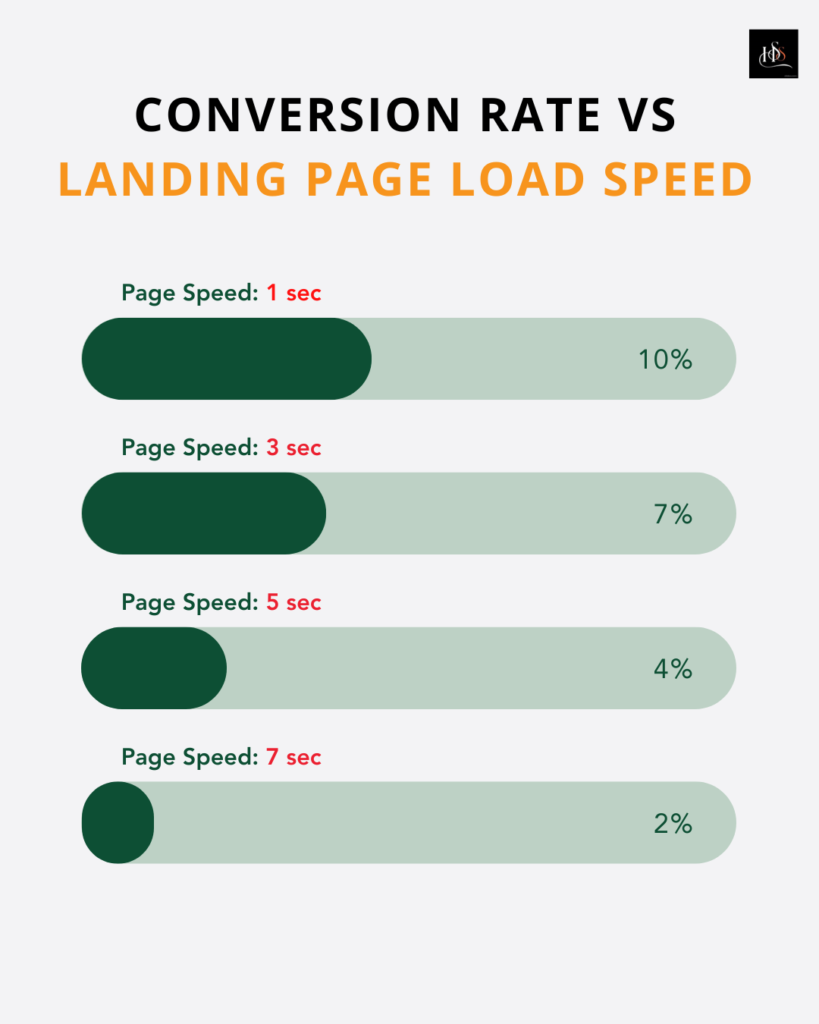
Landing page experience is also part of Google’s ad ranking algorithm, meaning poor pages increase CPC and reduce visibility.
Key Landing Page Optimization Tips ✅
- Load within 2–3 seconds
- Match the ad message
- Include a clear CTA
- Be mobile-friendly
- Reduce distractions
A well-optimized landing page can double conversion rates without increasing ad spend.
5. Not Tracking Conversions Properly 📉
One of the most damaging mistakes is running ads without proper conversion tracking.
If you don’t track conversions, you cannot answer basic questions like:
- Which keywords generate leads?
- Which campaigns produce sales?
- Which ads should receive more budget?
Without this data, advertisers often optimize for clicks instead of actual results.
A review of hundreds of ad accounts showed that many businesses optimize campaigns around incorrect conversion signals, leading to wasted budgets and poor optimization.
Example
Campaign stats:
– 1,000 clicks
– $2,000 spent
– 0 tracked conversions
But in reality, some leads may exist; they’re just not tracked properly.
How to Fix ✅
Set up:
This allows the algorithm to optimize for real results instead of clicks.
6. Weak Ad Copy that doesn’t attract the right audience 📣
Even with good targeting, poor ad copy can hurt performance.
Generic ads like:
“Buy Shoes Online – Best Price”
don’t stand out.
Users are more likely to click ads that clearly communicate value, urgency, and benefits.
Weak ad copy can lead to:
- lower CTR
- higher CPC
- fewer conversions
Strong ad copy improves CTR, which improves Quality Score and reduces advertising costs.
Tips for Better Google Ads Copy ✅
Include:
Example
Instead of “Marketing Services Online” Try “Get 50+ Qualified Leads Monthly – Free Strategy Call Today”
7. Ignoring Data and Campaign Optimization ⚙️
Many advertisers make the mistake of setting up campaigns and leaving them unchanged for months. Google Ads requires constant optimization. Without regular optimization:
- Irrelevant search terms accumulate
- CPC increases
- Conversion rates decline
Real case examples show campaigns running without optimization saw cost per lead increase by over 127% due to irrelevant traffic and declining Quality Scores.
Essential Weekly Optimization Tasks ✅
Google Ads is not a “set it and forget it” platform; it requires continuous refinement.

Google Ads Performance Benchmarks (2026)
| Metric | Average |
|---|---|
| CTR | 2.8% – 3.5% |
| CPC | $1.50 – $4.20 |
| Conversion Rate | 4.2% – 5.8% |
| CPA | $35 – $85 |
Top-performing campaigns often achieve 10–15% conversion rates, showing how optimization significantly impacts performance.
Conclusion
Google Ads can generate powerful results when used correctly. However, even small mistakes in keyword targeting, landing pages, or campaign optimization can waste a large portion of your budget.
By fixing these seven mistakes, improving keyword strategy, tracking conversions, optimizing landing pages, and continuously analyzing data, businesses can significantly increase ROI.
Instead of increasing ad spend, the real solution is optimizing how the budget is used.
FAQs
This usually happens due to poor keyword targeting, missing negative keywords, weak landing pages, or incorrect conversion tracking.
The most common mistake is running campaigns without proper keyword filtering and negative keywords, which causes ads to appear for irrelevant searches.
Small businesses often start with $500–$2,000 per month, but the exact budget depends on industry competition and cost per click.
The average CTR for search ads is around 2.8%–3.5%, but top-performing campaigns can achieve 6–12% CTR.
Campaigns should be reviewed weekly, with deeper optimizations done every month.
Yes. With proper targeting and optimization, Google Ads can generate highly qualified leads even for small businesses.
Quality Score is Google’s rating (1–10) of keyword relevance, ad quality, and landing page experience. Higher scores reduce CPC.
Yes. Landing page experience directly affects Quality Score, CPC, and conversion rate, making it one of the most important factors in campaign success.