Introduction
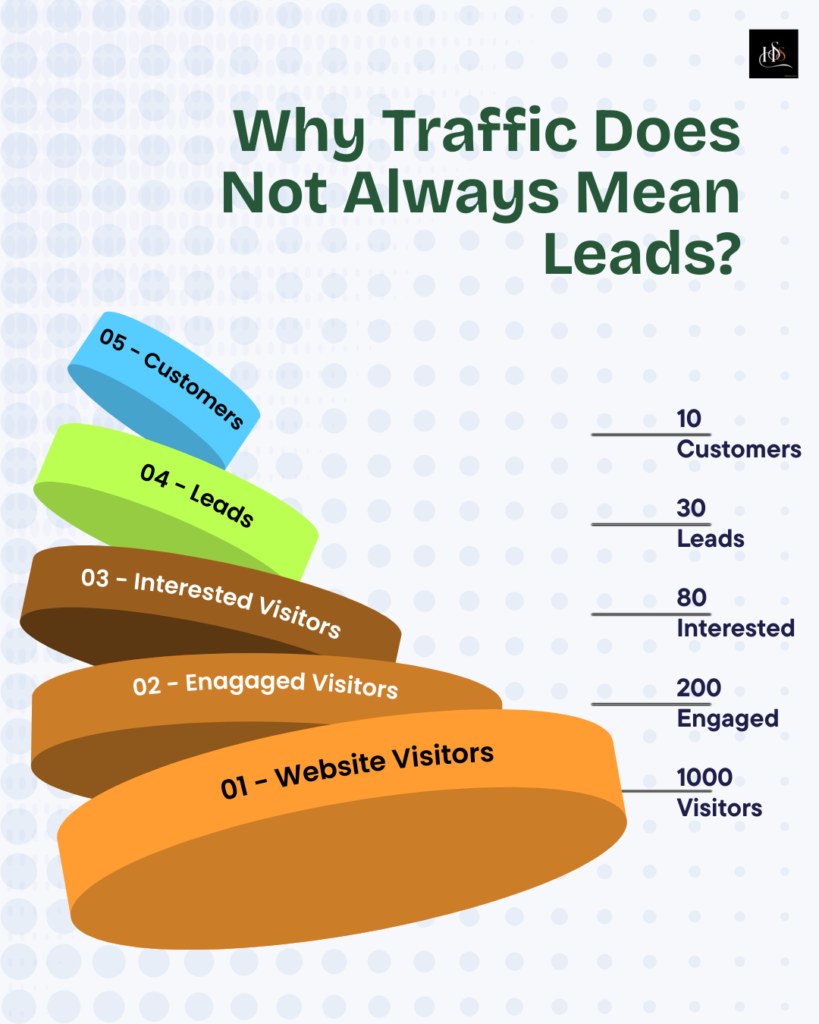
Many businesses assume that once their website starts getting traffic, leads will automatically follow. Unfortunately, that is rarely the case.
A website may attract hundreds or even thousands of visitors every month and still fail to generate meaningful inquiries or sales opportunities. The problem is not always traffic, it is often how the website communicates value, guides visitors, and converts interest into action.
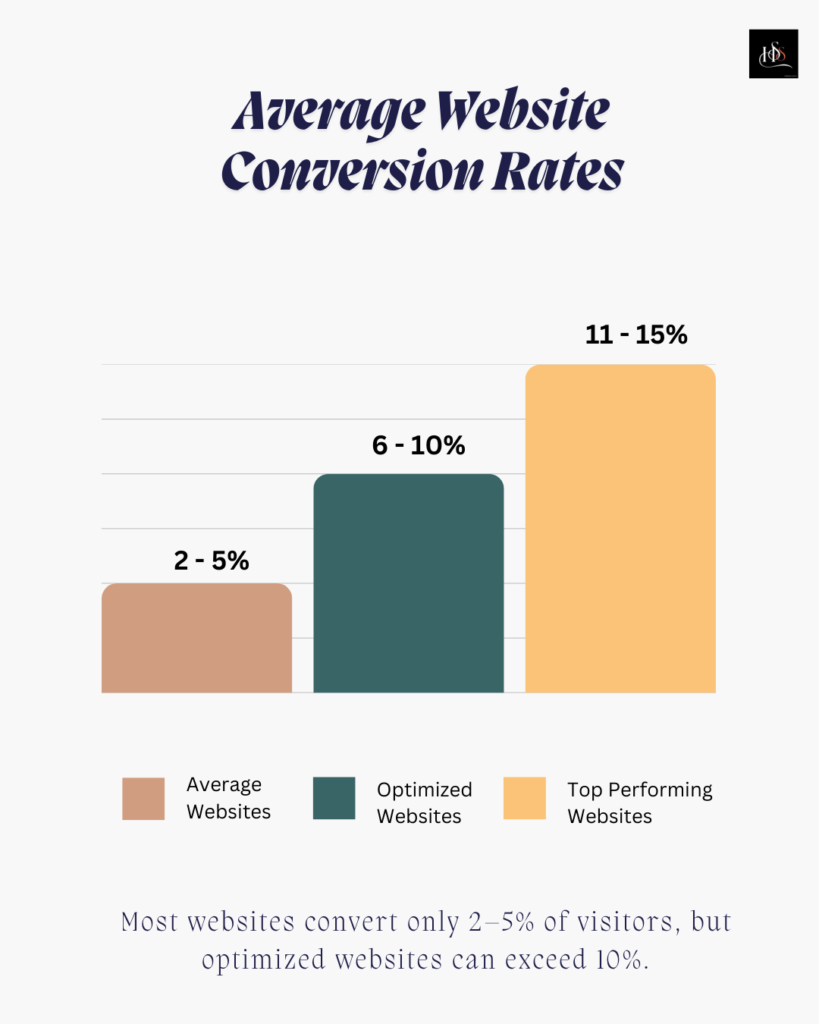
Marketing research consistently shows that the average website conversion rate ranges between 2% and 5%, which means that most visitors leave without contacting the business. However, high-performing websites often achieve conversion rates above 10%, proving that a website’s ability to generate leads depends largely on strategy and user experience rather than just traffic.
If your website is not generating leads, there is usually a specific reason behind it. Understanding these reasons can help transform your website from a simple online presence into a reliable lead generation tool.
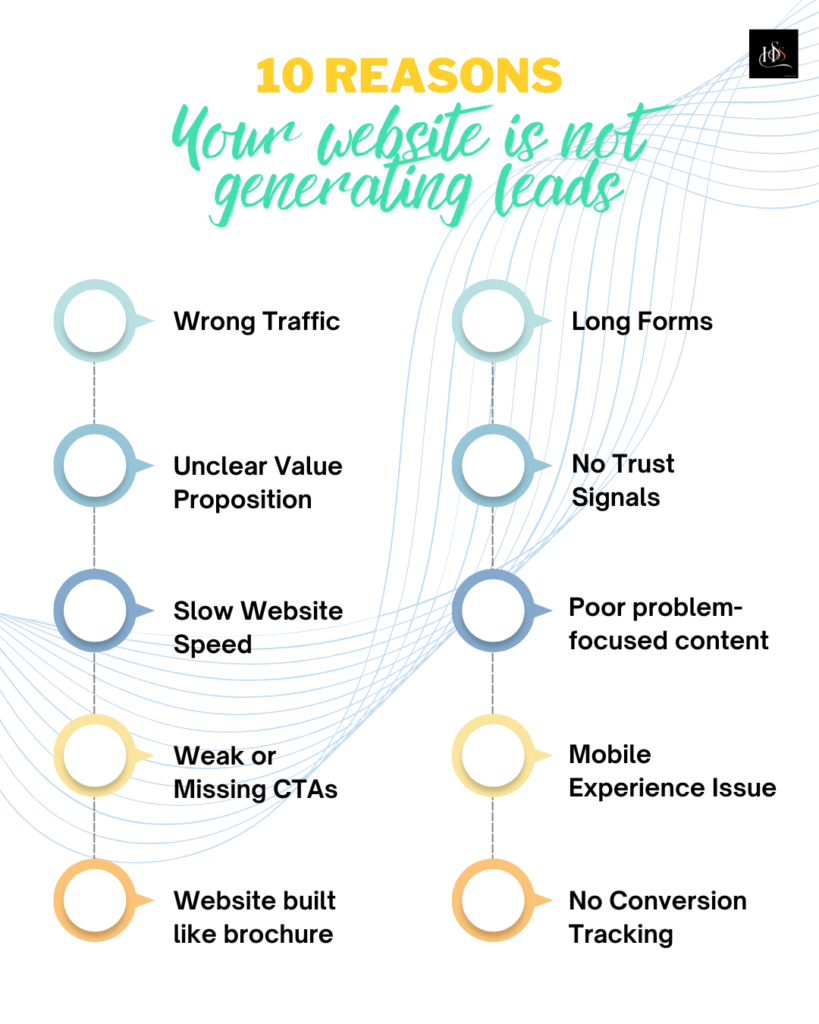
1. Your Website Is Attracting the Wrong Audience
One of the most common reasons a website fails to generate leads is that it attracts visitors who were never potential buyers in the first place.
For example, ranking for educational keywords like “what is digital marketing?” might bring a large volume of visitors, but many of them could be students or people simply researching the topic. These visitors rarely convert into clients.
Lead generation websites usually perform better when they target intent-driven searches such as;
✅ “hire digital marketing agency”
✅ “SEO services for B2B companies.”
✅ “hire ppc agency”
These searches indicate that the visitor is already looking for a solution.
Research across B2B marketing shows that traffic coming from high-intent searches converts significantly better than general informational traffic.
2. Your Value Proposition Is Not Clear
When someone lands on your website, they make a quick decision about whether they should stay or leave. In many cases, this decision happens within just a few seconds.
If your homepage does not clearly answer three simple questions, visitors often leave immediately:
- What does this company do?
- Who is this service for?
- How will it help me?
Many websites use generic statements such as “empowering businesses with innovative solutions.” While these phrases may sound impressive, they fail to communicate anything concrete.
A strong value proposition is direct and specific. For example, instead of a vague statement, a website might say:
Clear messaging instantly improves the chances that a visitor will continue exploring the website.
3. Your Website Loads Too Slowly
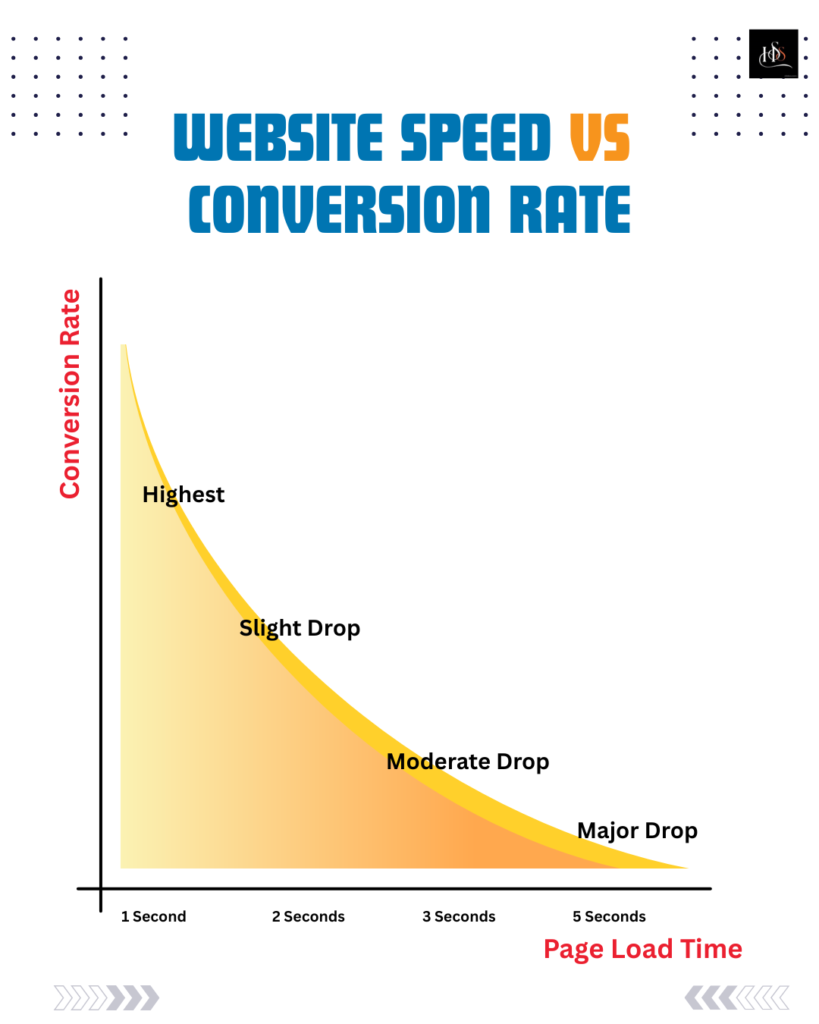
Website speed has become a critical factor in user behavior and conversion rates. Modern users expect pages to load almost instantly, and even a small delay can cause them to abandon the site.
Studies show that a website that loads in 1 second can have 3x higher conversion rates compared to a website that loads in 5 seconds. This means performance directly affects revenue and lead generation.
Slow loading usually happens because of large images, excessive scripts, poor hosting, or unoptimized website themes. Even if your content is excellent, visitors may never see it if the website feels slow or unresponsive.
4. Your Website Has No Clear Call-to-Action (CTA)
Another common issue is the absence of clear direction for the visitor.
Imagine entering a store where nobody tells you where to go, what to look at, or how to make a purchase. Many websites unintentionally create the same experience.
Examples of effective CTAs:
- Book a Free Consultation
- Get a Free Website Audit
- Start Your Free Trial
- Download the Strategy Guide
Without a CTA, users simply consume information and leave. Visitors should always know what the next step is. This might include actions like booking a consultation, requesting a quote, downloading a guide, or starting a free trial. Without this direction, visitors may read your content and leave without ever interacting with your business.
5. Your Website Functions Like a Brochure Instead of a Lead Engine
Many business websites are designed as static information pages. They describe the company, list services, and provide contact details, but they do very little to actively convert visitors.
A high-performing lead generation website usually contains additional elements that encourage engagement. These may include educational resources, case studies, lead magnets, or landing pages built for specific campaigns.
Marketing data shows that companies with a larger number of targeted landing pages often generate significantly more leads because each page addresses a specific audience need.
6. Your Forms Create Too Much Friction
Lead forms are essential for capturing inquiries, but they can also discourage visitors if they feel too demanding.
Many websites ask for a long list of details before allowing a visitor to submit a form. Information such as company size, budget range, job title, and phone number can feel intrusive when the visitor is only beginning to explore the service.
Simpler forms tend to perform better because they reduce hesitation. In many cases, asking for just a name and email address is enough to start the conversation.
7. Your Website Lacks Trust Signals
- Visitors are cautious when interacting with businesses online, especially if they are unfamiliar with the brand.
- Without visible proof of credibility, visitors may hesitate to contact you even if they are interested in your service.
- Trust signals help reduce this uncertainty. Examples include client testimonials, recognizable brand logos, case studies, certifications, or industry awards.
- When visitors see evidence that other companies have successfully worked with you, they feel more confident about reaching out.
8. Your Content Focuses Too Much on the Company
A surprising number of websites talk primarily about themselves rather than addressing the customer’s challenges. Pages often describe services in technical or promotional language but fail to explain how those services solve real problems.
Visitors are usually not interested in the details of a company’s process. What they really want to know is whether the service can help them achieve a specific goal, such as generating more leads, increasing sales, or improving marketing performance.
Shifting the focus toward the customer’s problem often improves engagement and conversions.
9. Your Website Is Not Optimized for Mobile Users
Mobile traffic now represents a large portion of global web usage. However, many websites are still designed primarily for desktop experiences.
When a website is difficult to navigate on a mobile screen, visitors often leave before exploring further. Text may appear too small, buttons may be hard to tap, and forms may become frustrating to complete.
A mobile-friendly design ensures that visitors can easily browse, read, and interact with the website regardless of the device they are using.
10. You Are Not Continuously Optimizing the Website
Perhaps the most overlooked reason websites fail to generate leads is the lack of ongoing optimization.
Launching a website is only the first step. Successful websites continuously analyze user behavior and improve performance over time.
Tools such as analytics platforms and heatmaps can reveal how visitors interact with pages, where they drop off, and which sections attract the most attention.
Companies that regularly test changes such as different headlines, layouts, or calls to action, often see significant improvements in conversion rates over time.
Key Website Conversion Benchmark
Understanding industry benchmarks can help determine whether your website is performing well or needs improvement. Research across marketing studies suggests the following approximate ranges:
- Average websites typically convert between 2% and 5% of visitors into leads.
- Well-optimized websites often achieve 6% to 10% conversion rates.
- Top-performing websites can exceed 11% conversion rates, particularly when their messaging and user experience are carefully optimized.
These numbers demonstrate that even small improvements in conversion rate can dramatically increase lead volume without increasing traffic.
Conclusion
A website that fails to generate leads is rarely suffering from a single problem. Instead, it is usually the result of several small issues working together.
Unclear messaging, slow loading speeds, weak calls to action, and lack of trust signals can quietly reduce the effectiveness of a website. When these issues accumulate, even large volumes of traffic may fail to produce meaningful business results.
The encouraging part is that every one of these problems can be improved. By refining messaging, optimizing user experience, and focusing on the needs of potential customers, a website can evolve from a passive information page into a powerful lead generation tool.
For many businesses, the difference between a website that simply exists and one that consistently generates leads lies in continuous optimization and a clear focus on conversion strategy.
FAQs